Britten: War Requiem Op.66
$129.95 - $1,795.00


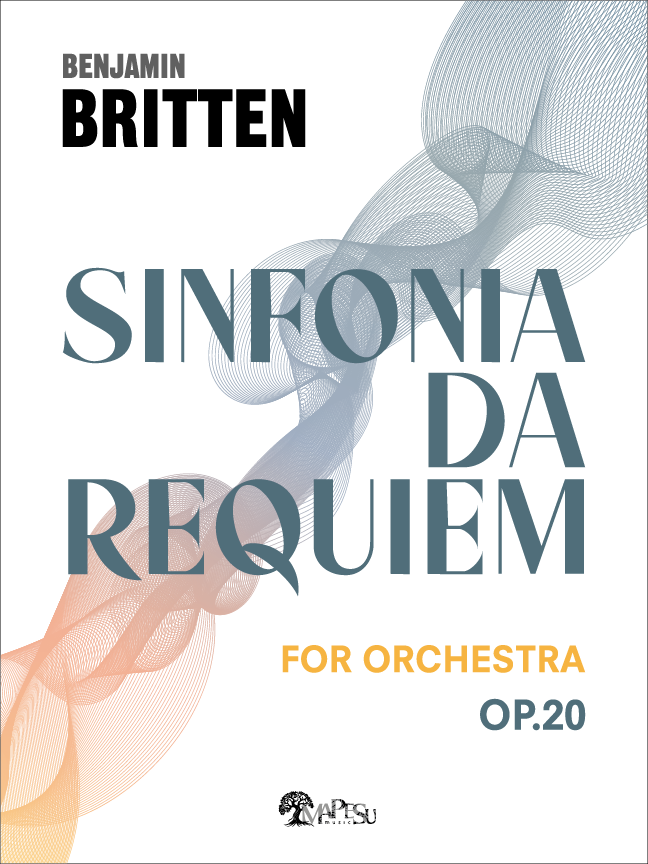
Benjamin Britten’s Sinfonia da Requiem, Op. 20, was composed in 1939–40 to a commission from the Japanese government for the 2,600th anniversary of the imperial line; the Japanese authorities rejected the finished score because of its use of Latin Requiem movement titles and its sombre character. The work was completed in 1940 and given its world premiere by the New York Philharmonic under John Barbirolli at Carnegie Hall on 29 March 1941.
The piece is cast in three movements played without pause and carried by the Latin headings Lacrymosa, Dies irae and Requiem aeternam; a typical performance runs about twenty minutes. Britten scores it for a large orchestra (extensive winds and brass, timpani and percussion, two harps, piano and strings) and exploits stark contrasts of march-like figures, brittle wind textures and intense climaxes to sustain the requiem-like mood.
Composed during the darkening political climate before Britain’s full entry into World War II, the Sinfonia da Requiem is often read as an expression of Britten’s pacifism and a memorial impulse; its vigorous reception in the United States and a later Boston performance under Serge Koussevitzky helped raise Britten’s international profile and contributed to subsequent important commissions. The work remains one of his most frequently performed large-scale orchestral pieces from the early period.