Prokofiev - Symphony No.5 Op.100
$199.99 - $895.00

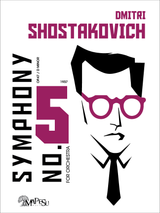

Dmitri Shostakovich’s Symphony No. 5 in D minor, Op. 47, was composed in 1937 (April–July) as a public response to the cultural condemnation he had suffered that year; it premiered on 21 November 1937 in Leningrad with Yevgeny Mravinsky and the Leningrad Philharmonic. The work was officially presented under the subtitle “A Soviet artist’s reply to just criticism,” a phrase that framed its initial reception.
The score is in four movements played without programmatic breaks: I. Moderato; II. Allegretto (scherzo); III. Largo; IV. Allegro non troppo. Scored for a large symphony orchestra—including winds with E♭ clarinet and contrabassoon, an expanded brass section, extensive percussion (tam-tam, snare, bass drum, glockenspiel, xylophone), two harps, piano, celesta and full strings—the work balances powerful tutti writing with sharply etched solo and chamber-like passages.
From its triumphant premiere the Fifth has invited sharply divided readings: contemporaries hailed its apparent return to accessible, “socialist-realist” idiom, while many later scholars and performers have probed its tonal ambiguities and ironic gestures, debating whether the finale expresses genuine triumph or a hollow, coerced victory. That ambiguity—musical, historical and interpretive—remains central to the work’s continuing power and to the vast critical literature it has generated.